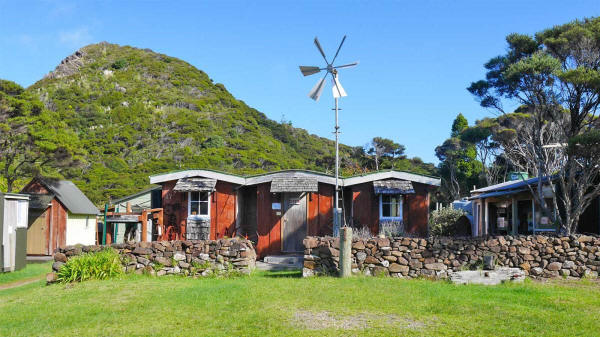
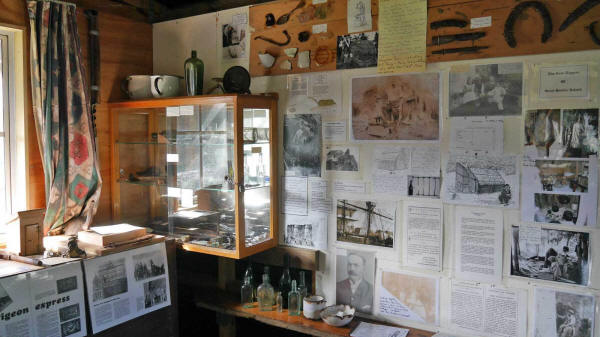
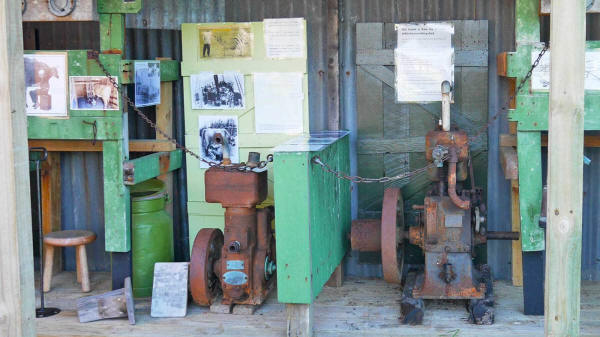
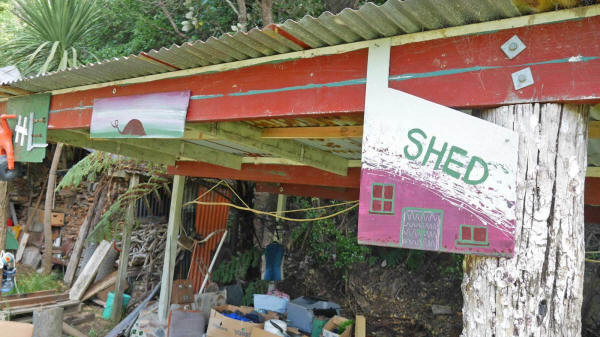
Page 3 The tiny Milk, Honey and Grain Museum is fascinating. The entry sign tells visitors the admittance fee is ‘a gold coin’ – via an honesty box. And once inside, you’ll find three interconnected wooden sheds filled with old household and farm implements, some still working, which tell the story of the island’s pioneer families.
You might be surprised at the range of industries that have employed islanders over the years, from whaling to gum digging. They collected it from the kauri trees in the 1880s and sold it to produce varnish, glue, resin and linoleum. You can learn about the shipwrecks too and see a bedframe that washed ashore. Apparently a live snake turned up once – they think it came off a boat from Panama.
And there’s another thing that
visitors need to prepare for – you won’t be able to use hairdryers or irons
on Great Barrier Island. That’s because there’s no mains electricity. In the
1970s, Barrier had a large alternative lifestyle community. Some people told
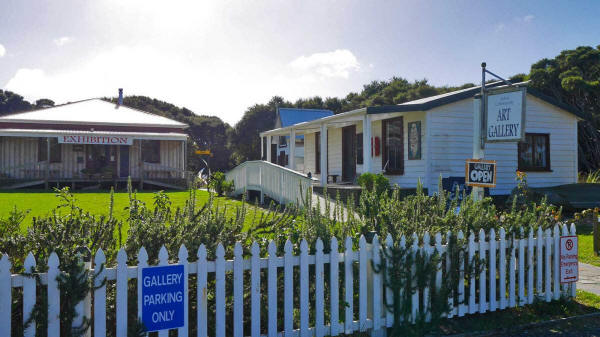
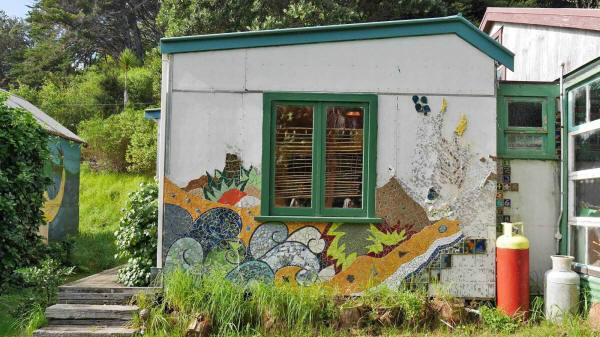
me it was a hippy enclave and that spirit is still alive. Today there’s still an active arts sector on the island. Artist Sue Roberts volunteers at the Great Barrier Island Heritage & Arts Village, which occupies a former schoolhouse in Claris. It was established in 2005 and the wooden building was moved to its current site then.
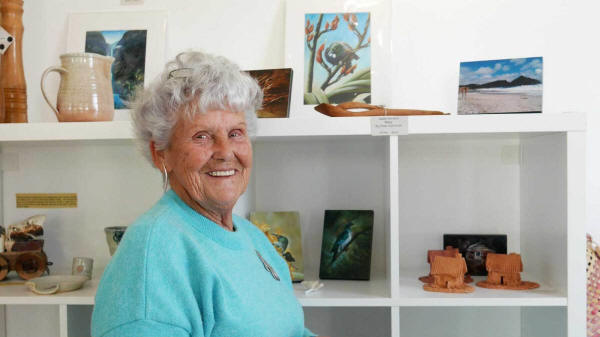
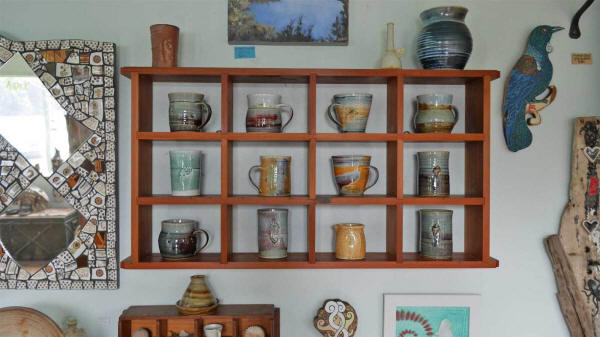
Sue Roberts Sue says there’s a huge range of artwork on display, from paintings and metalwork to sculpture, textiles and ceramics. In fact, she says it was only when the Art Centre opened that locals realised just how much creative talent existed within the island population of 940 people. And the centre has encouraged even more artists to reveal their hidden abilities. “The Barrier lifestyle lends itself to artistic people. If you don’t think you have a talent, often just being here, whatever is hidden in you, will come forward,” says Sue.
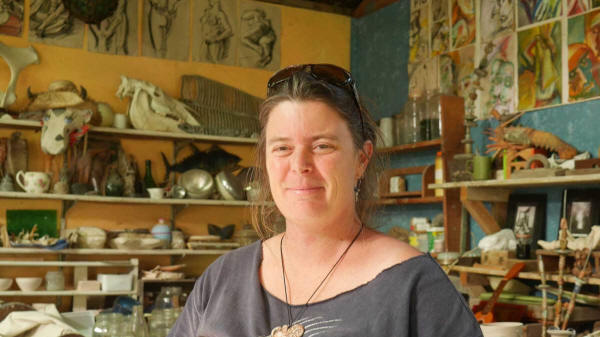
Sarah Harrison
The island’s green and sustainability movement is well established. Locals have to produce their own energy, clean water and deal with any waste. Solar panels provide the electricity. At my accommodation, Bob and Tipi’s Waterfront Lodge, they turn off the wall sockets at certain times of the day and overnight. If you visit, you’ll need to plan ahead for charging your electronic devices.........MORE
Reproduced with permission. Subject to copyright in its entirety. |
||